Skip to content


Family medical care becomes one of the heaviest concerns when you move abroad. You may be building a new life, settling into routines, chasing stability, yet a part of you always stays back home. It shows up late at night when your phone rings unexpectedly. It shows up when your parents casually mention a doctor visit they “forgot” to tell you about. Distance has a way of turning small health worries into quiet fears.
The Emotional Weight of Caring from Another Country
Living overseas often means missing the everyday signs. You don’t see the slower walk, the tired eyes, or the hesitation before climbing stairs. You rely on phone calls where loved ones say they’re fine, even when they’re not.
Some challenges overseas families face include:
- Limited visibility into real medical conditions.
- Difficulty finding reliable home patient care services.
- Fear of hospitals being crowded or rushed.
- Poor follow-up for chronic illness and mental health.
- Concerns about privacy and trust.
- No clear system for continuity of care, or cc
These worries build quietly. Over time, they affect your focus, your sleep, and your sense of peace.
When Health Care feels Distant and fragmented
In Pakistan, care often depends on who is available, not who is best. A neighbor recommends a clinic. A relative arranges a visit. Records are scattered. Follow-ups depend on memory. For families living abroad, this lack of structure can feel frightening. Home care services in pakistan have traditionally been informal. That’s changing, but many overseas families don’t know where to start. You want something reliable, professional, and respectful. You want updates you can trust.
Imagining a Better, Calmer Reality
Now imagine a different picture.
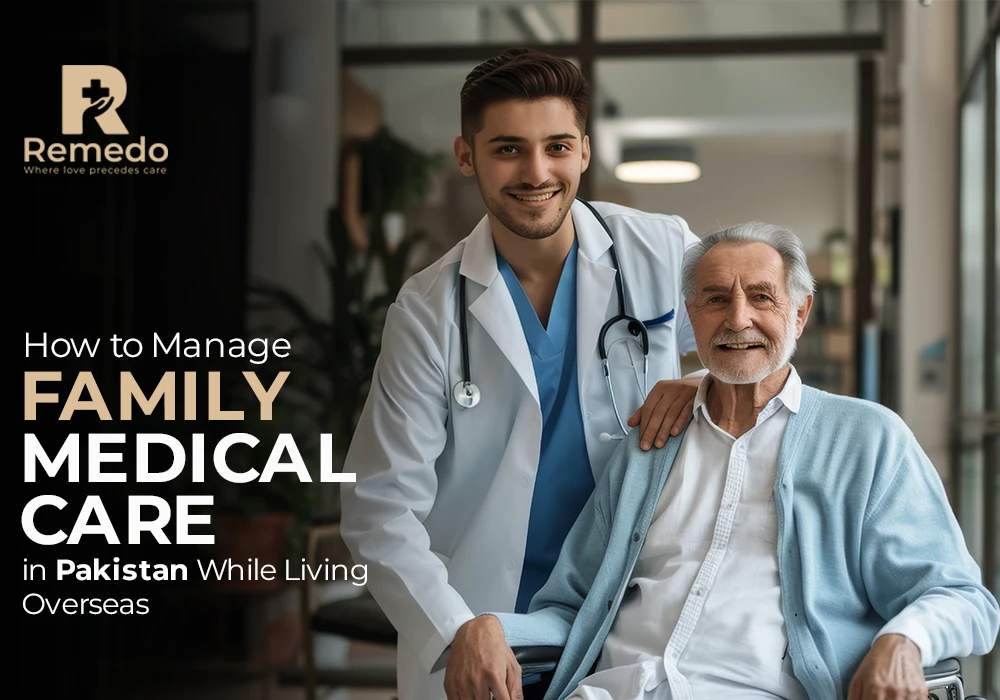
Your mother doesn’t have to wait in traffic or sit in a crowded waiting room. A trained professional comes to her home. The environment is familiar. The conversation is unhurried. Vital signs are checked. Medication is reviewed. A home visit doctor consultation happens when needed. Everything is documented and shared with you clearly. This kind of care doesn’t feel clinical. It feels human. It focuses on bringing structured, compassionate care into the home, especially for families managing health from overseas.
Why Home Based Care Changes Everything
Home is where people feel safe. For elderly parents or patients with long-term conditions, this safety matters more than we realize. home patient care services reduce stress, confusion, and resistance to treatment.
Benefits families notice quickly include:
- Fewer emergency hospital visits.
- Better monitoring of chronic conditions.
- Improved medication adherence.
- Emotional comfort through regular interaction.
- Reliable updates for overseas family members
When your family has regular home care services in Pakistan, their health is looked after carefully and steadily, instead of being rushed or left to chance.
Addressing Fears You May not Talk About
Many overseas children carry silent fears.
What if my father ignores his symptoms?
What if my mother feels alone but doesn’t say it?
What if someone mishandles their care?
What if their privacy is compromised?
These fears are real. They come from love, not control. RemedoCare was created with these worries in mind. The focus has always been on doing things the right way — with care that feels respectful, people who know what they’re doing, and information that stays private. Families are kept in the loop gently, without constant pressure or confusing updates, so everyone feels reassured rather than overwhelmed.
Privacy is respected. Dignity is protected. Trust is built slowly and honestly.
The Mental Side of Physical Illness
Chronic illness and mental health are closely linked, especially among older adults. Pain can lead to frustration. Isolation can lead to anxiety. When no one is regularly checking in, these struggles remain hidden. Through structured monitoring and human interaction, patients feel noticed. Someone asks how they’re sleeping. Someone listens. This attention alone can shift a person’s emotional state. The healing isn’t only about medicine. It’s about presence.
What happens When You Delay Care
It’s easy to postpone action. Life is busy. Time zones are exhausting. You hope things will stabilize on their own.
But delays often lead to:
- Missed early warning signs.
- Worsening chronic conditions.
- Increased emotional distress
- Sudden emergencies that feel overwhelming.
What’s often missed is the chance to prevent decline. Early intervention through home visit doctor services and regular monitoring can change long-term outcomes.
Transformation That Feels Quiet but Powerful
The biggest changes are not dramatic. They’re subtle.
Parents become more relaxed.
Patients feel supported, not monitored.
Families feel informed, not helpless.
overseas families regain a sense of control without hovering. You’re involved in decisions. You understand what’s happening. You’re no longer guessing. This balance is what makes care sustainable.
Comfort and Privacy Under one Roof
Hospitals can be intimidating. Homes are familiar. That difference matters deeply, especially for elderly patients. Conversations are private. Routines are respected. There’s no exposure, no unnecessary stress. Comfort supports healing. Familiar surroundings reduce anxiety. When care adapts to life instead of interrupting it, recovery feels possible
Staying Connected Across Borders
Living overseas no longer has to mean being disconnected from family medical care. With the right support system, distance becomes manageable.
You receive updates.
You participate in decisions.
You know someone responsible is present.
That knowledge brings peace.
A Choice that Brings Reassurance
Your family has spent years taking care of you. Even from afar, you can now return that care in a way that feels thoughtful and secure. Experience privacy and comfort like never before with RemedoCare. Give your loved ones the care they deserve at home, and give yourself the peace of knowing that distance no longer stands between your family and their well-being.
FAQs
1. How do people handle family medical care in Pakistan when they live abroad?
Most families arrange home care services in Pakistan so someone responsible is checking in, even when they’re not there themselves.
2. Do home patient care services actually work for elderly parents?
They do home patient care services to let older parents stay at home while still getting regular medical attention.
3. When would someone need a home visit doctor instead of going to a hospital?
A home visit doctor is usually called when travel is difficult or when checkups are needed without the hospital rush.